How to Choose the Best Electric Dirt Bike: 2026 Buyer's Guide
Selecting an electric dirt bike requires understanding key electrical specifications: Voltage, Battery Watt-Hours, and controller output. Here is what to evaluate before buying.
The Voltage Hierarchy: 24V vs 36V vs 48V vs 60V vs 72V+
Voltage dictates the motor's top rotational speed and acceleration responsiveness:
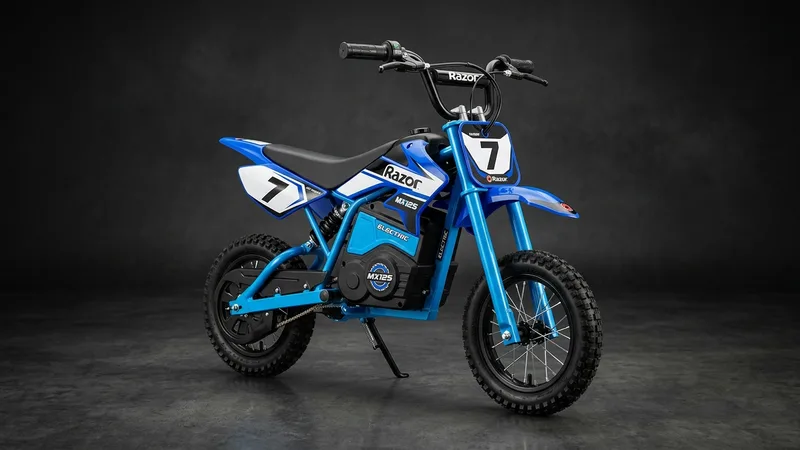
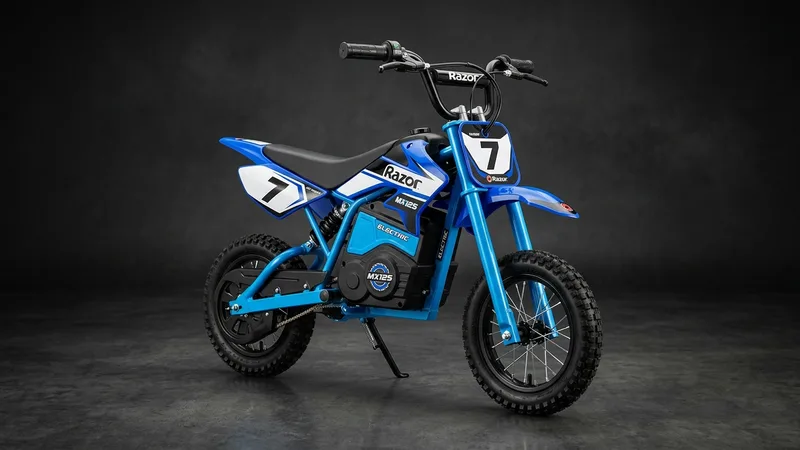
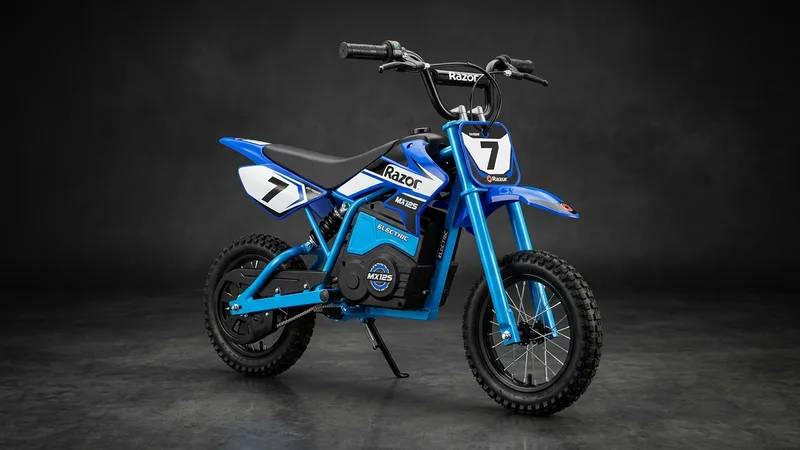
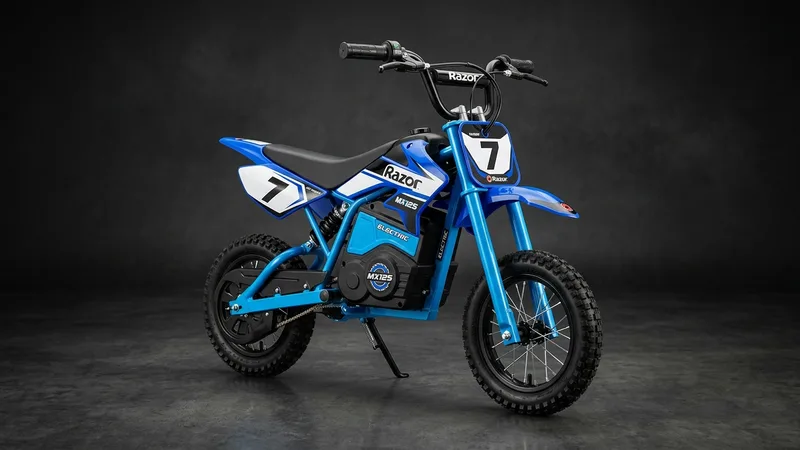
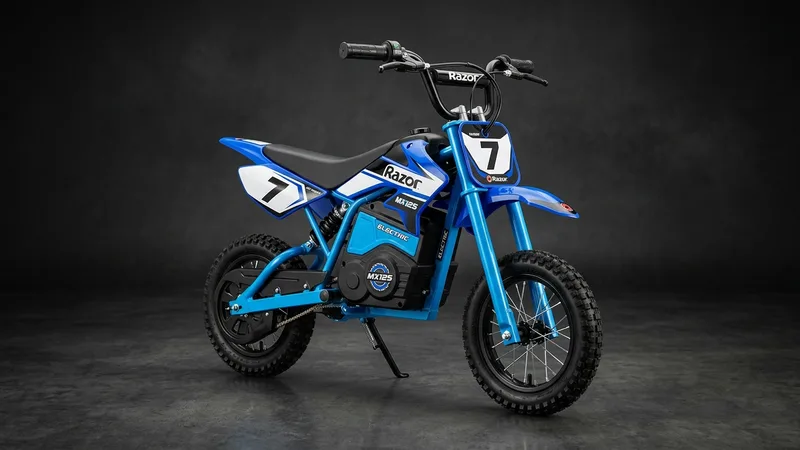
- 24V to 36V (Kids & Mini): Best for children aged 4 to 12. Delivers gentle acceleration, speeds between 12 and 17 mph, and safe payload limits under 140 lbs.
- 48V (Teens & Budget Riders): Delivers 25 to 28 mph top speeds. Ideal for teenagers and lighter adults seeking legitimate trail riding without the high cost of 60V platforms.
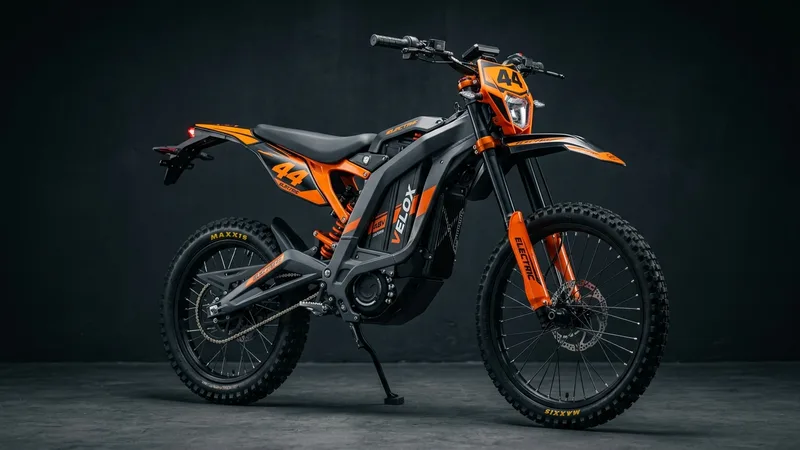
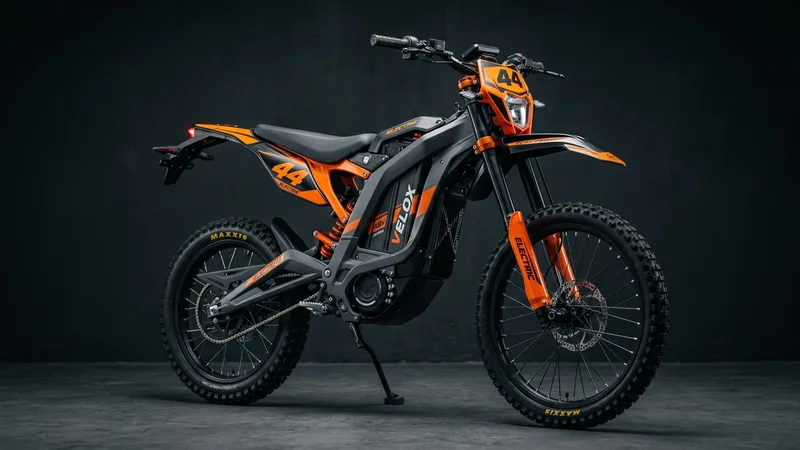
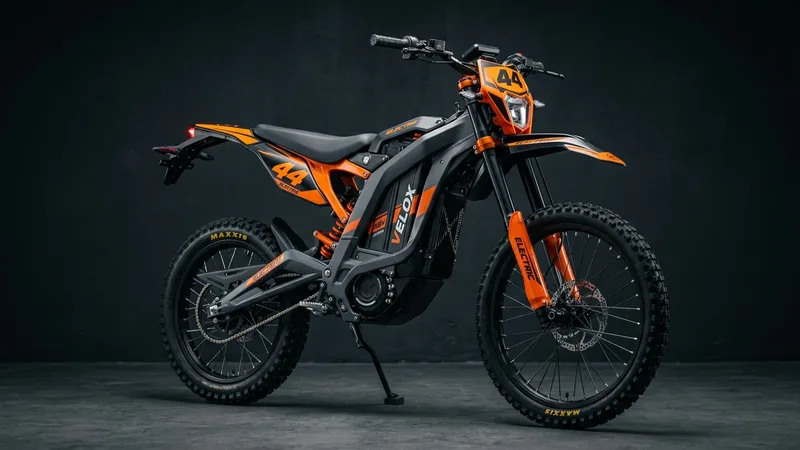
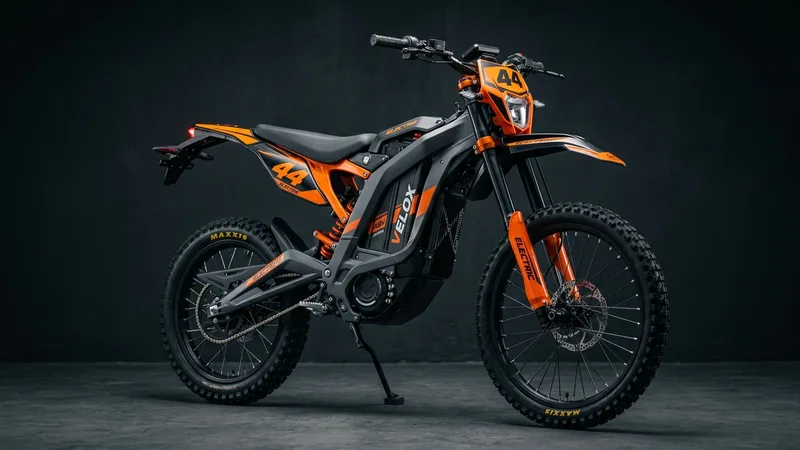
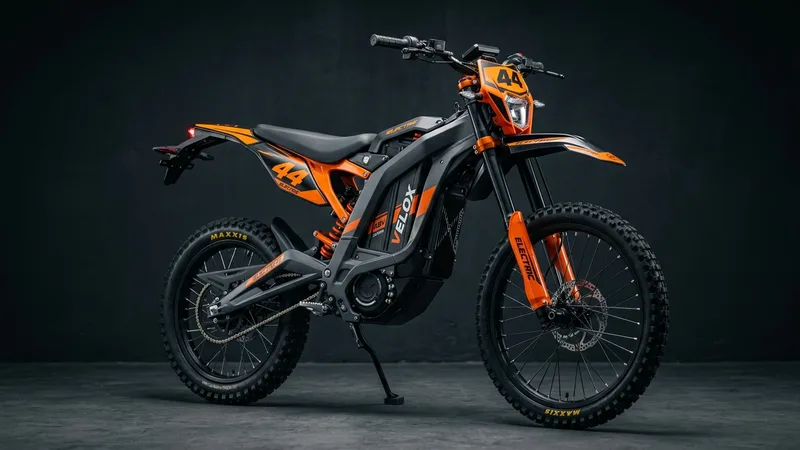
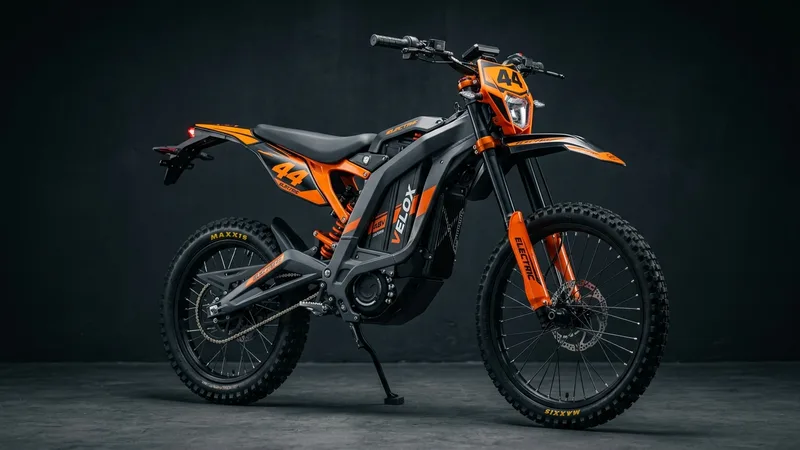
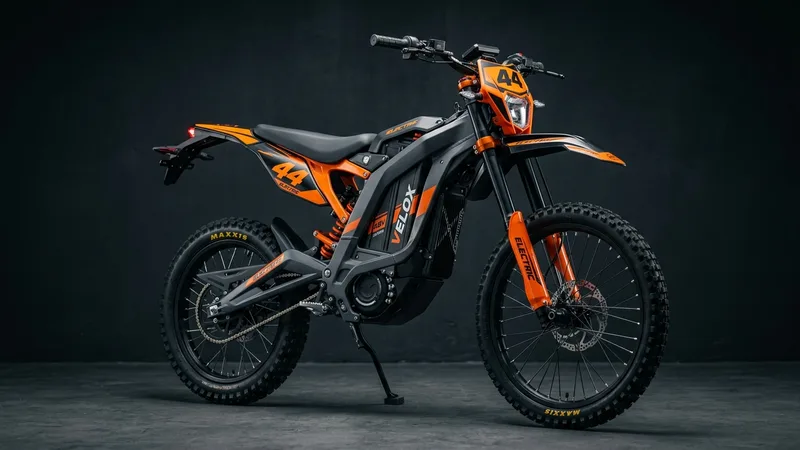
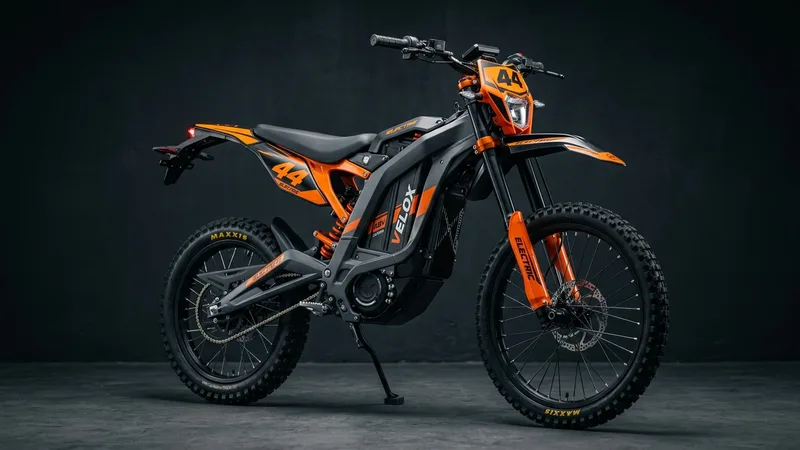
- 60V (Adult Standard): Powers popular models like the Sur-Ron Light Bee X and Qronge X1. Reaches 40 to 47 mph with strong hillclimbing torque.
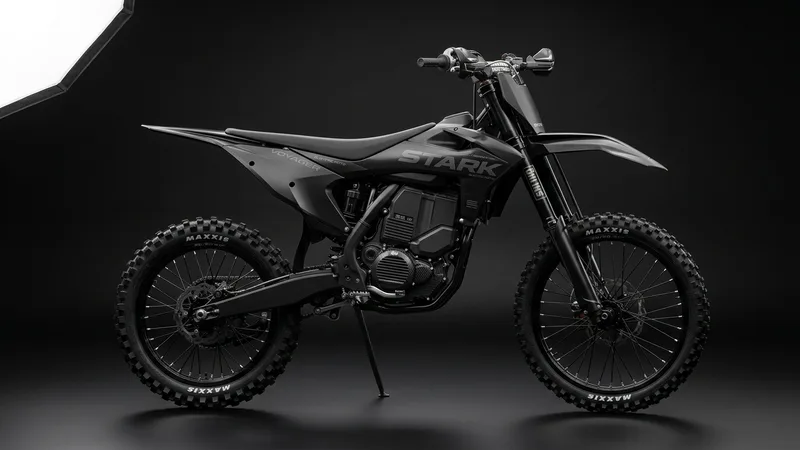
- 72V to 98V (High Performance): Delivers 50 to 68+ mph for motocross tracks and steep enduro trails.
Advertised Range vs. Real-World Range: The Watt-Hour Formula
Manufacturer range figures are often calculated at low speeds on flat pavement with lightweight test riders. To estimate realistic range on dirt trails, use the Watt-Hour calculation:
Watt-Hours (Wh) = Voltage (V) × Amp-Hours (Ah)Off-road trail riding typically consumes around 45 to 55 Wh per mile.
For example, a 60V 25Ah battery provides 1,500 Wh. Under aggressive throttle, you can anticipate approximately 25 to 30 miles of mixed trail riding.
Street Legality and OHV Regulations
It is important to know where you can legally ride an electric dirt bike:
- Electric dirt bikes generally do not have functional bicycle pedals and exceed 28 mph, so they are not categorized as standard Class 1, 2, or 3 e-bikes.
- In most jurisdictions, they are classified as Off-Highway Vehicles (OHVs) meant for private property, off-road parks, and designated OHV trails.
- To ride on public streets legally, bikes typically require a street-legal conversion kit (DOT lights, mirrors, horn, turn signals) and registration through your local DMV.